
Shooting by numbers: what the 2026 census reveals
The largest annual survey of the shooting community reveals a sport holding its nerve – and gives the whole sector a set of figures to argue from
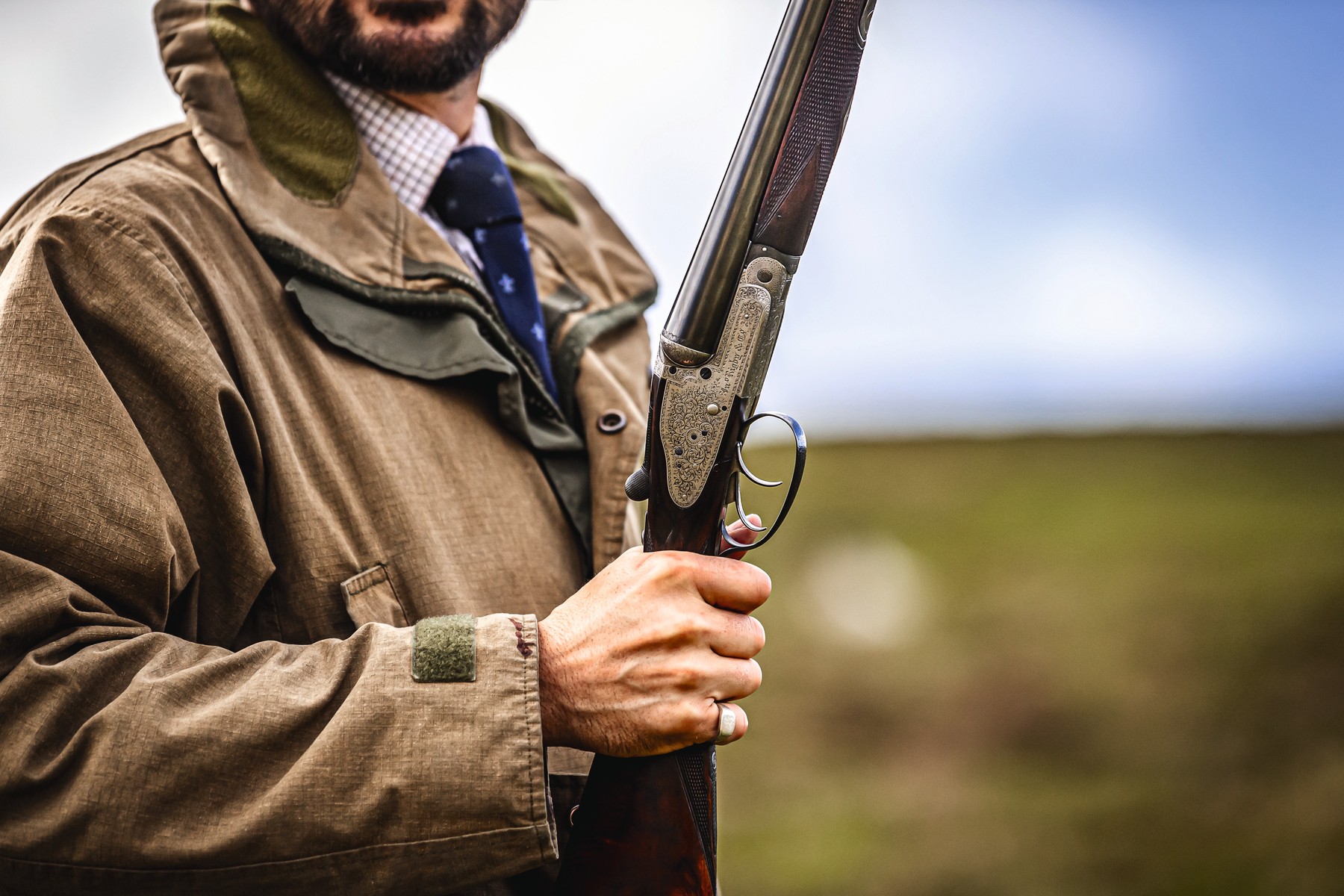
Jacket, tie and gun in hand at the start of a day. The census puts the average Gun at 60, with 34 seasons behind him
Photographs: Sarah Farnsworth
When 5,625 shooters and shoot managers sit down to answer the same set of questions, the result is more than a snapshot. It is the closest thing our sport has to a set of national accounts. The 2026 Game Shooting Census, run by GunsOnPegs and sponsored by Lycetts with the support of BASC, the GWCT and the Countryside Alliance, surveyed a total of £13.1m of shooting expenditure and more than 1.1m acres under shoot management.
Conducted in June, the annual survey remains the only measure of where game shooting actually stands – and this year the overriding message is one of steadiness.
Let’s start with confidence. Some 97% of the shoots surveyed say they are going ahead this season, and 62% of Guns plan to shoot roughly the same as they would in a normal year. Only 23% expect to shoot less and 15% more, while 7% of shoots are planning bigger bags than last time out. After several seasons of avian influenza scares, rising input costs and nervous headlines, an industry that is largely carrying on as it has done before is quietly reassuring.
Costs, inevitably, are edging upwards. The average price of a driven pheasant now stands at £51.60 per bird plus VAT, up from £50.41 last year, with partridges at £51.87 against £50.95. The most commonly quoted figure is a round £50 a bird, and most partridge days fall between £40 and £55. These are hardly dramatic rises, but with feed, fuel and wages all under pressure they confirm that letting a day’s shooting is a business that is run on fine margins.
A plateau, not a climb: what the bag figures show
The bags themselves tell a story of restraint. Across the past four seasons the average number of birds shot at each shoot has moved only slightly – 1,547 in 2022-23, 1,628 in 2023-24, 1,657 in 2024-25 and 1,648 forecast for 2025-26 – a plateau rather than a climb.
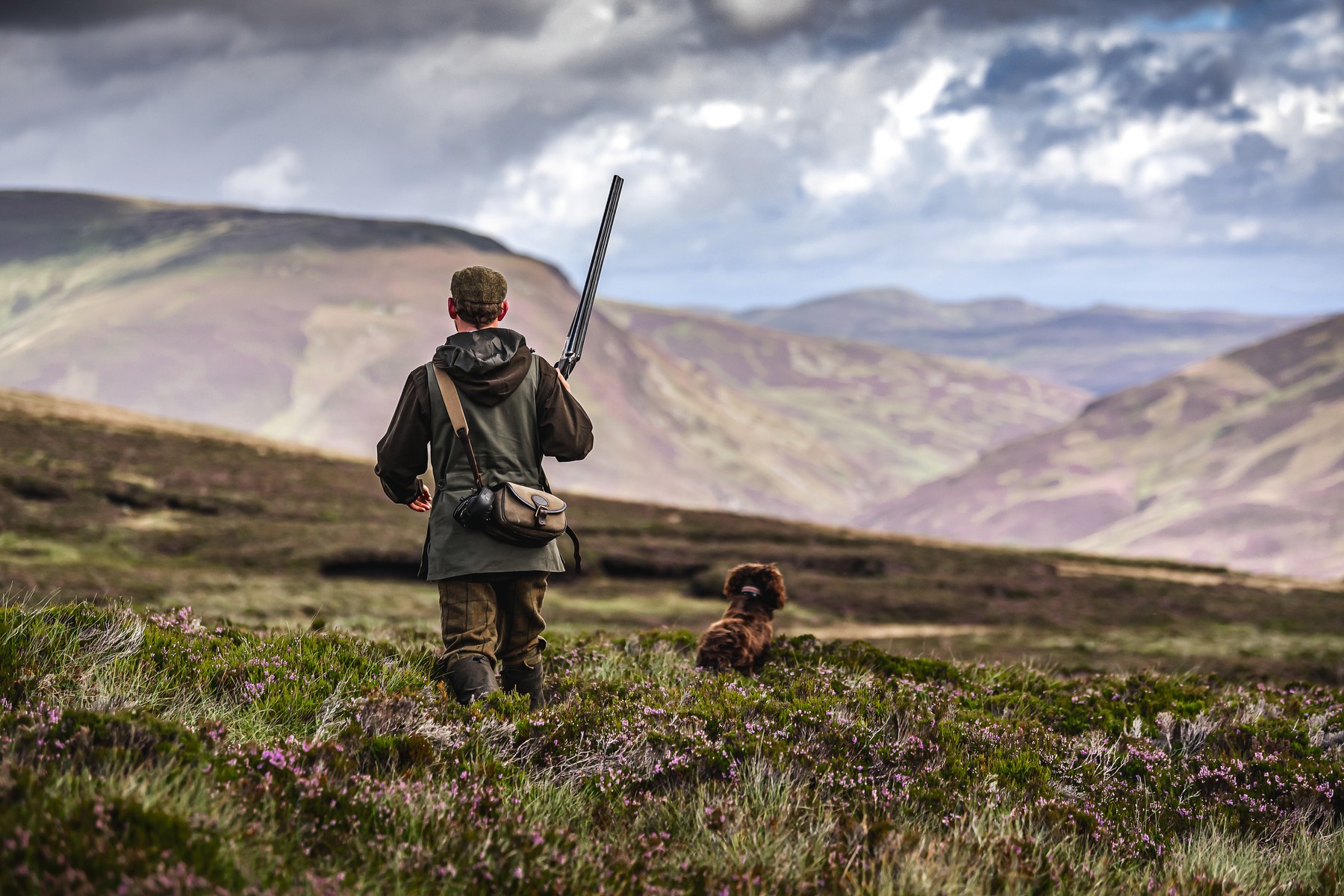
The image of shooting as an endless procession of enormous days is not one the data supports: only 10% of Guns shoot on days with a bag of 250 birds or more. The average Gun plans 9.4 days this season, on days averaging a bag of 121.
Behind those days sits a good deal of unglamorous management. The average shoot covers 1,752 acres, 70% of shoots lease at least some of the ground they work, and only 8% are run to make a profit. Half operate as syndicates, 34% sell let days, 9% now offer simulated shooting and 78% put game on the table on shoot days.
The typical shoot runs 12.2 days a season, so for most syndicates and let operations the books have to balance across a handful of dates rather than a full diary. This is, overwhelmingly, a sport run at or near cost by people who love it rather than a machine for making money.
The average Gun: 60 years old and 34 seasons in
So who are the Guns? The census confirms a community that is 95% male, with an average age of 60 and an average of 34 years’ shooting experience behind them. A third are employed as managers, directors or senior officials and 17% work in skilled trades. They are, in other words, experienced, established and loyal. A total of 43% did the bulk of last season’s shooting in a syndicate and 31% tried simulated game.
The average planned spend this season is £7,598, a 3% increase on last year, though only 61% of planned days are confirmed and in the diary, down from 65% in 2023 – a hint that Guns are booking a little later and keeping their options open. An average age of 60, set against 34 years in the field, also quietly poses the question of who will follow them, and how the sport draws in the next generation before shooters in this one hang up their cartridge bags.
The 2029 lead deadline and how far the switch has got
The single biggest question hanging over the season is lead. The census was taken in June, weeks after the REACH (Amendment) Regulations 2026 came into force on 1 April, opening a three-year transition that will make the use and sale of lead shot for live-quarry shooting unlawful across England, Scotland and Wales from 1 April 2029. Lead rifle bullets in calibres of 6.17mm and above face the same deadline.
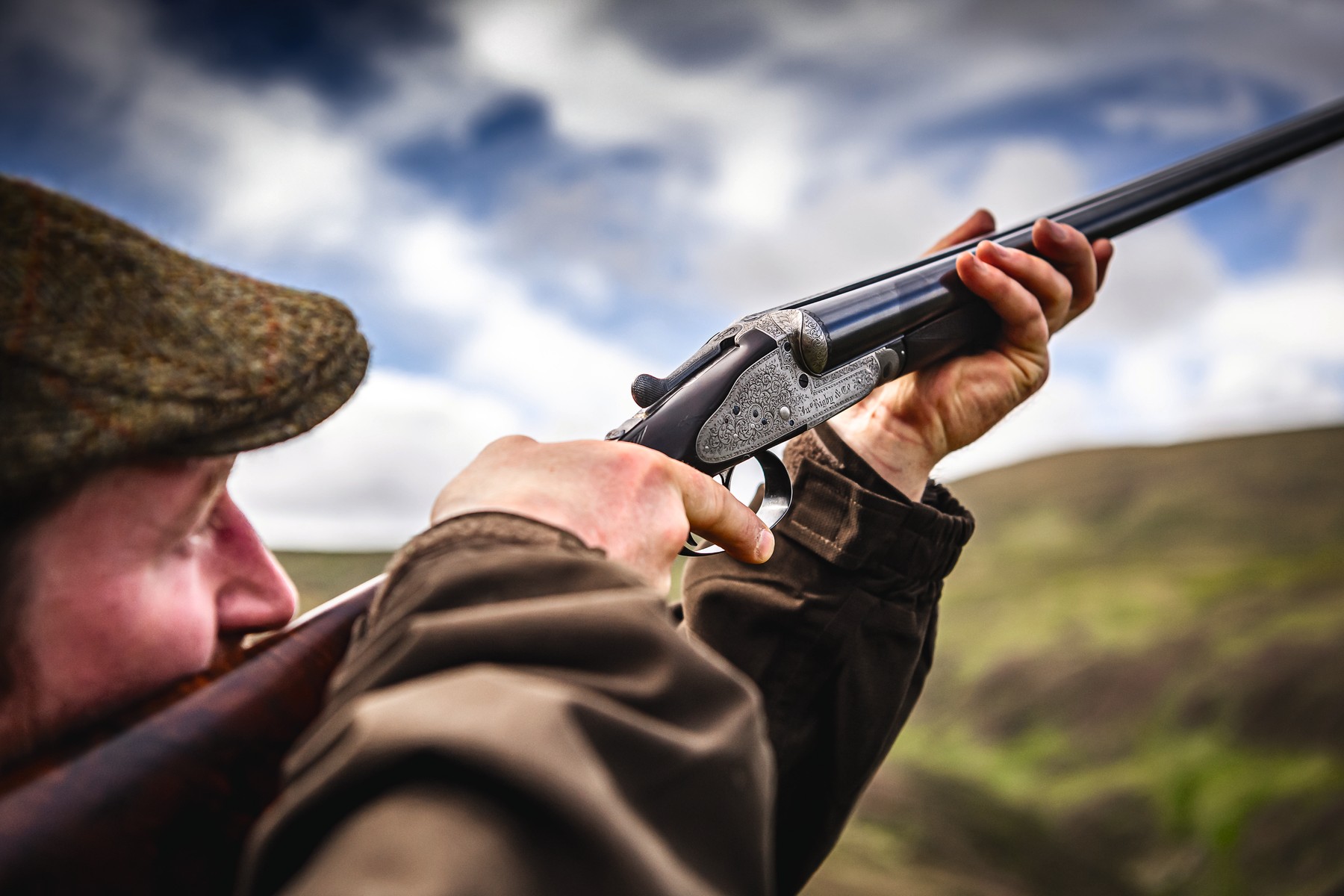
With a hard legal cut-off now in place, the census reveals a community that is still some way from ready. Only 19% of Guns are already using non-toxic shot and 12% plan to switch soon; 34% say they will change only when legislation compels them, 8% are strongly opposed and 27% remain undecided. On the shoots, 5% have already gone lead-free, 8% are making the switch this season and 19% plan to within one to two years.
Tellingly, 71% of shoots believe they could insist on lead-free ammunition if they wanted to – yet only 5% of gamedealers have actually asked for it. The market, it seems, is waiting for someone else to move first.
Licensing delays and the cost of the GP proforma
Licensing remains a familiar source of frustration. For 52% of applicants the last grant or renewal took up to four months, but 32% waited five to 12 months, 5% between one and two years, and 11% more than two years. Nearly one in 10 – 9% – have considered giving up or shooting less because of the delays.
The medical element grates too: 46% paid between £50 and £99 for the GP proforma, and 4% had their doctor refuse to complete it at all. Just 59% are satisfied with police licensing, against 20% who are dissatisfied – hardly a ringing endorsement of a system many feel is not fit for purpose.
For all the numbers on costs and bags, the census saves its most important message for last. Shooting is doing the conservation work that much of the wider countryside depends on. Some 91% of shoots control predators, 78% feed songbirds, 77% manage woodland, 73% tackle invasive species, 63% manage hedgerows, 61% sow wild bird seed mixes, 58% maintain ponds and 49% plant trees. The average shoot will put in 30 acres of cover crop this season, 62% of it in wild bird seed mixes, and planted five acres of woodland last year.
The conservation work shoots fund themselves
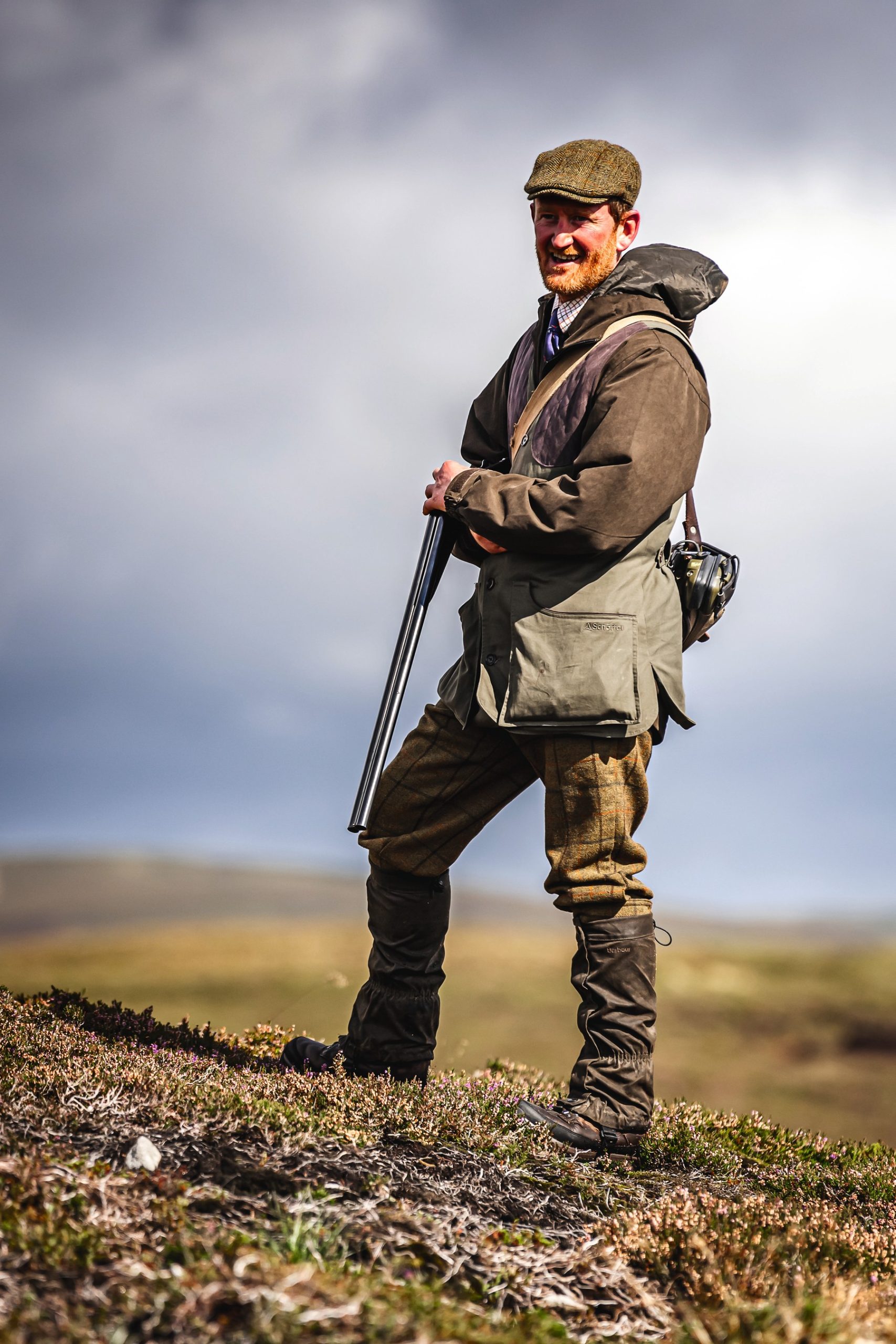
Crucially, almost none of this is funded by the taxpayer. Some 93% of predator control, 88% of pond management and 76% of woodland management carry no public money at all. And it is contingent on shooting continuing. Were the sport to stop, 82% of respondents say predator control would decrease, along with 80% of woodland management, 79% of songbird feeding, 69% of hedgerow work and 68% of wild bird seed mixes.
Strip out shooting and much of this self-funded habitat work simply disappears. It is a point worth pressing home to anyone who assumes the countryside would look after itself. On the census’s own numbers, most conservation carried out on shoots receives no public funding and would largely stop the day the shooting did.
That is the census’s real headline. Behind the price per bird and the days in the diary is an industry that, largely at its own expense, keeps predators in check, seed in the ground and cover on the hill. The 2026 figures show a sport that is holding steady – and doing far more for the countryside than its critics tend to allow.
Frequently asked questions
What is the Game Shooting Census?
It is the largest annual survey of the UK shooting community, run by GunsOnPegs and sponsored by Lycetts with the support of BASC, the GWCT and the Countryside Alliance. The 2026 edition was conducted in June and drew 5,625 responses covering £13.1m of shooting expenditure and more than 1.1m acres under shoot management.
What did the 2026 census say about confidence in the season?
Some 97% of shoots surveyed say they are going ahead this season and 62% of Guns plan to shoot roughly the same as in a normal year. Only 23% expect to shoot less, 15% more, and 7% of shoots are planning bigger bags than last time out.
How far has the sector got with the switch away from lead?
Not far. Only 19% of Guns are already using non-toxic shot and 12% plan to switch soon, while 34% say they will change only when legislation compels them. On the shoots, 5% have gone lead-free and 8% are switching this season. The legal cut-off is 1 April 2029.