
Grouse counts 2026 point to a stronger season across the sector
The first field data of the season shows brood averages of eight and nine on the best-keepered moors, a welcome signal for estates, keepers and the trade that supplies the season
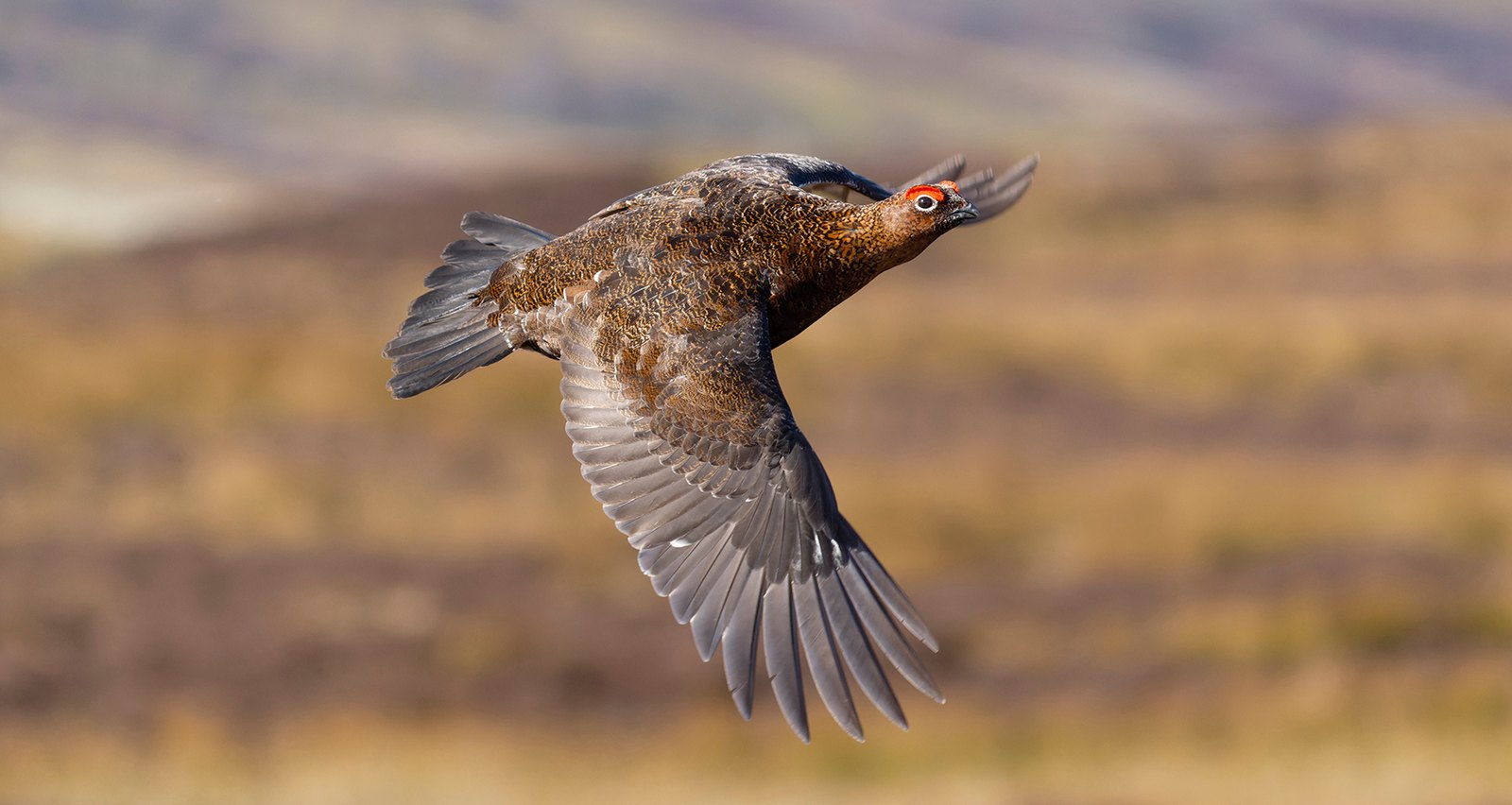
Credit: MikeLane45/iStockphoto via Getty Images
The first hard field data of the 2026 grouse season points to recovery, with brood averages of eight and nine recorded on the best-keepered moors of northern England and southern Scotland this July. The counts, reported by Mark Osborne of sporting agent JM Osborne on ShootingUK, are a welcome signal for everyone whose year turns on the season, from estates and keepers to the trade that supplies them.
What do the 2026 grouse counts show?
Osborne reports “a very welcome increase in the numbers of grouse counted on most moors” compared with last year, and results “very significantly better than the disastrous July 2024 summer counts, which were the worst possible”. Sevens and eights are very good brood averages for productive, well-keepered moors, he explains, and many moors in northern England and southern Scotland are recording eights and nines this year.
The method behind those figures leans on consistency: the same ground counted at as close as possible to the same time of the month as the year before, with the same number of people and roughly the same number and type of dogs, so that counts compare honestly year on year. This summer’s heat has pushed the work to first light, with keepers and their dogs out from 4am.
The picture is not uniform. High, wet moors caught by June’s continuous rain “have definitely suffered significant chick losses”, heather beetle has hit some western moors, and while Highland averages are well up on recent years, that region “will sadly overall be rather lean”. Osborne expects good numbers on many Pennine moors, with the Peak District and the North York Moors less strong and Perthshire hopeful.
Why does a stronger grouse season matter across the sector?
Grouse is the shooting calendar’s flagship opening, and a stronger season reaches well beyond the moor: sporting agents letting days, keepers whose work the counts vindicate, upland rural businesses, and the makers and retailers who equip the season, many of them familiar exhibitor names at the British Shooting Show. After the lean counts of 2024, a genuine base “on many moors for going forwards” is the signal the whole sector has been waiting for.
Osborne’s own prescription is careful cropping of the surplus and continued investment in the moor: “The key is obviously to shoot them carefully and to focus completely on high-quality keepering.”
What happens next
Counting continues through the remaining July mornings, and moors will set their programmes from the results. Mark Osborne’s full report, including his projections for the Pennines, the Peak District, Perthshire and the Highlands, is on ShootingUK via the link below and is well worth reading in full.
Useful links
Related articles
Grouse counts 2026 point to recovery on English and Scottish moors
Red grouse densities remain low in GWCT 2026 spring counts