
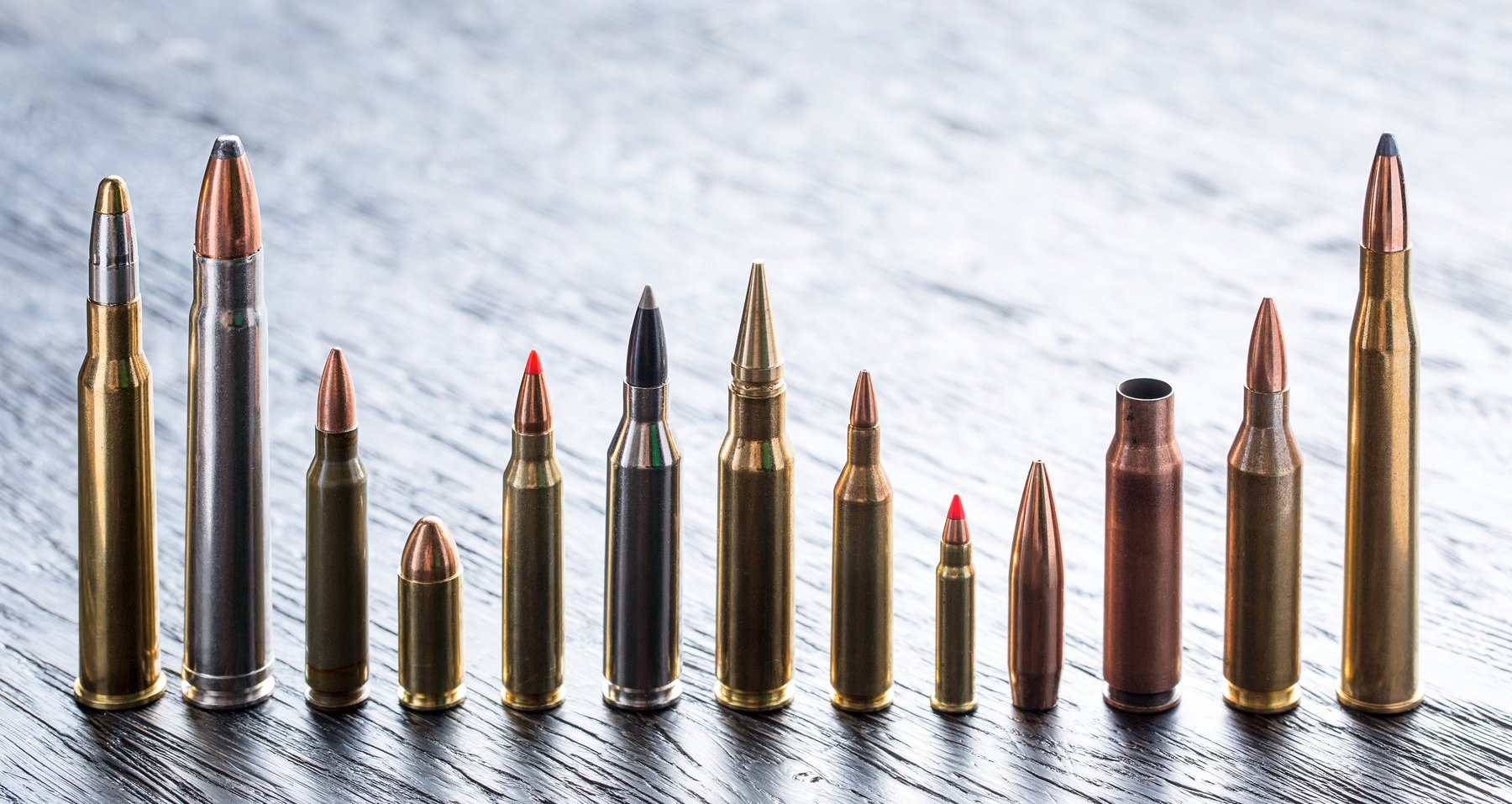
Anyone who leaves the show with a calibre in mind and a variation to apply for will meet an enquiry officer carrying a new reference. The College of Policing has published Firearms Licensing: An Introductory Guide to Cartridges and Calibres, written with the British Shooting Sports Council (BSSC), and the council put the 30-plus page document on its website on 25 November for applicants to read before the visit.
What the enquiry officer guide covers
The guide, version 6.0 and dated September 2026, is written for firearms enquiry officers and licensing decision-makers in England and Wales. It gives a quick reference to rimfire, centrefire and larger calibres, the legal minimum calibres and muzzle energies for deer in England and Wales with indicative distances, a section on Section 1 and Section 2 shotguns, and one on target, vintage and classic cartridges. It then works through typical application scenarios with the key questions an officer should ask, a decision checklist, common matters that need further enquiry, frequently asked questions and a glossary.
Specialist contributions are acknowledged from the chair of the Historical Breechloading Smallarms Association (HBSA) and the technical director of the Gun Trade Association (GTA), so the exhibitors’ side of the sector had a hand in it. Its foreword presents the guide “as a practical reference document for firearms licensing staff when considering firearms, cartridges and calibres”, supporting professional judgement rather than replacing legislation, Home Office guidance or force policy.
Why it matters to a visitor applying or varying
The sentence the sector has waited for an officer to read is in the foreword: “cartridge or calibre alone is rarely a reliable indicator of suitability, risk, or intended use.” The BSSC, whose member bodies span game, clay, target, practical and historic arms shooting, expects fewer misunderstandings at the kitchen table, fewer unnecessary conditions or refusals and more consistent decisions on variations between forces, and called the project a model for how policing, the shooting organisations and the trade can work together.
For a show visitor that means the calibre you have been reading about on a stand, whether a stalking rifle, a historic cartridge or a Section 1 shotgun, should be judged on what you will use it for rather than on the number alone. For an exhibitor it means a customer’s variation is less likely to stall on a misunderstanding between the stand and the licensing department.
The queue the guide arrives into
Licensing performance is still falling. The latest National Police Chiefs’ Council (NPCC) figures show 68.76% of grant and renewal applications completed within four months, a fifth consecutive quarterly fall, with 114,409 renewals due in 2027. The August report of His Majesty’s Inspectorate of Constabulary and Fire & Rescue Services (HMICFRS) recommended bringing shotgun controls into line with those on other firearms, a consultation the Home Office says will come in due course.
What happens next
The guide can be downloaded from the useful information page of the BSSC website. The College of Policing has not issued its own announcement, and neither BASC, the Gun Trade Association nor the National Rifle Association had published a statement by 26 November. The council says it will keep working with the College on updates. The full story, with the guide’s contents, the council’s reasons for welcoming it and the licensing figures behind them, is on ShootingUK: Police guide to cartridges and calibres written with shooting bodies.
Frequently asked questions
What is the College of Policing cartridges and calibres guide?
A reference document, version 6.0 dated September 2026, developed by the College of Policing with the British Shooting Sports Council for firearms enquiry officers and licensing staff in England and Wales. It covers calibres, deer legal minimums, shotgun sections, historic cartridges and the questions officers should ask applicants.
Does the guide change the law on which calibre I can have?
No. It restates the law and supports officers’ judgement; its foreword says it does not replace legislation, Home Office guidance or force policy.
Where can I read the enquiry officer guide?
The British Shooting Sports Council has published the PDF on the useful information page of its website, bssc.org.uk.