
Moorland charter: what it means across the shooting sector
An independent charter asking Scottish ministers to protect open moorland credits stalking and gamekeeping with keeping the hills open. The sector read on who is behind it and what it asks
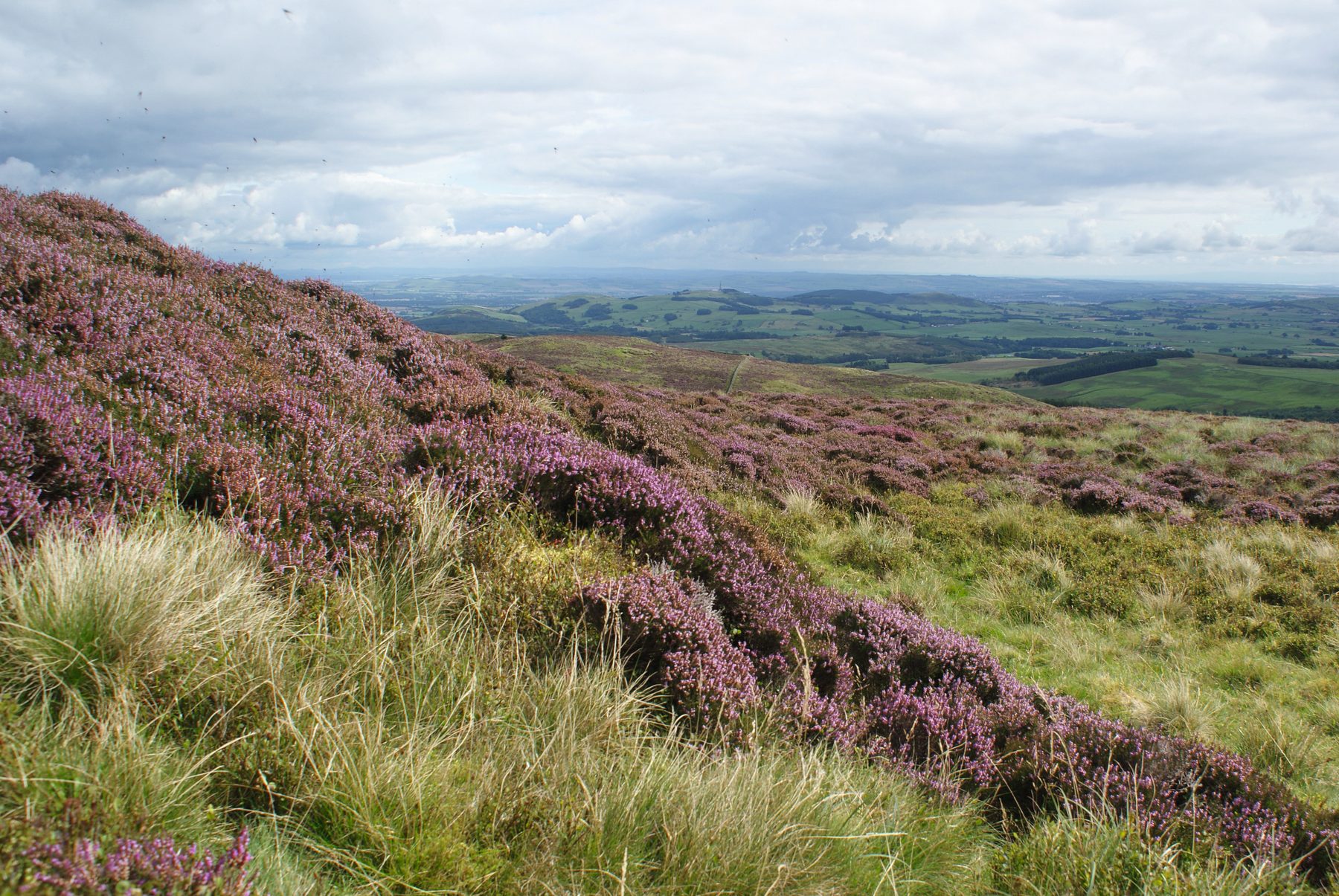
A charter asking Scottish ministers to protect the nation’s open moorland has given the shooting sector something it rarely receives: independent credit. Launched by two Highland land experts and reported by The Scotsman on 16 July, it names land management, deer stalking, gamekeeping and sheep farming as the work that has kept Scotland’s hills open, and asks for a national strategy to protect them from tree planting, wind farms and hill tracks.
What happened?
Dr James Fenton, an ecologist and peatland specialist, and Bill Cowie, former manager of the Isle of Rona, who now lives on Skye, launched the charter with a warning that “we are losing the identity of Scotland”. It demands protection for open heather moorland and hill ground from the developments its authors say are eating into it piece by piece: commercial forestry and tree planting, wind farms, hill tracks, reservoirs and power lines. The authors intend to put it before the Scottish Government, arguing that no one in government is currently asking what Scotland loses when the open hill goes.
Why does it matter to the show community?
Because the sector the halls represent is the sector the charter credits. The keepers, stalkers and estate staff who visit, and the exhibitors who supply them with everything from optics to hill kit, work the ground the charter is trying to protect, and the health of Scottish moorland shooting shapes demand across that whole trade. It matters, too, that the endorsement comes from outside the sector: an ecologist and a former island manager saying the managed hill is worth keeping is a different kind of voice from the sporting organisations that usually make the case.
Dr Fenton was blunt about the politics: “The landowners, the grouse shooters and deer stalkers… are not flavour of the month among politicians, so they don’t have any credibility.”
What is the wider backdrop?
The charter lands with the Scottish Government already under sustained criticism from sporting and farming interests this year over muirburn licensing, now delayed to the autumn. Not everyone welcomes the charter’s framing either: Simon Ritchie, policy manager at Woodland Trust Scotland, rejected its choice between trees and open hill, saying: “We can and will have both.”
What happens next?
The authors will seek a ministerial commitment to a national strategy for the open hill. Whether it comes or not, the charter has put the sporting community’s contribution to Scotland’s landscape on the record in independent terms, and that is a document worth knowing about wherever shooting people gather. The full story is on ShootingUK, the first link below.
Useful links
ShootingUK – the full ShootingUK telling of the charter’s launch and what it asks of ministers
The Scotsman – Katharine Hay’s full report on the charter and its authors
Woodland Trust Scotland – the conservation body that disputes the charter’s choice between trees and open hill
Frequently asked questions
What is the open moorland charter?
An independent charter launched by two Highland land experts calling on Scottish ministers to adopt a national strategy protecting open heather moorland and hill ground from commercial forestry, wind farms, hill tracks, reservoirs and power lines.
What does the charter say about shooting?
It credits land management, deer stalking, gamekeeping and sheep farming with keeping Scotland’s hills open, an independent endorsement of the sporting community’s role in the landscape.
Who is presenting the charter to ministers?
Its authors, Dr James Fenton, an ecologist and peatland specialist, and Bill Cowie, former manager of the Isle of Rona, intend to put it before the Scottish Government.
Related articles
New charter urges ministers to protect Scotland’s open moorland – the full ShootingUK telling of the charter’s launch
Seven Scottish estates win Wildlife Estates Scotland accreditation – recognition for conservation land management on sporting estates
Managed grouse moors hold twice the curlews, Teesdale survey finds – survey evidence that moorland keepering underpins wader recovery