Drought across half of England: what it means for shooting
Seven areas are officially in drought days before the season opens. The quick read for the show community, from wildfire risk to water restrictions
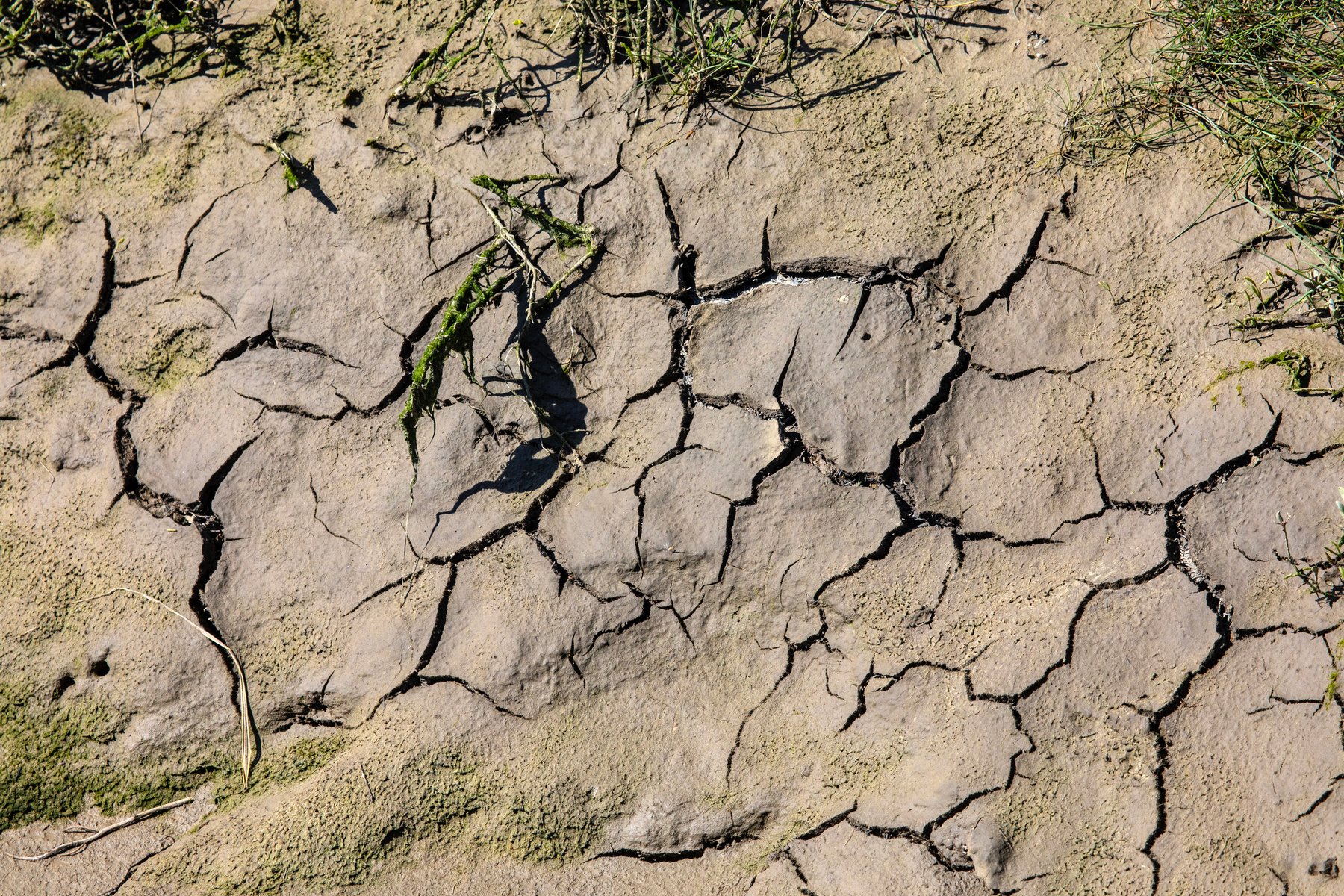
Credit: chrisdorney/iStock via Getty Images
Half of England is officially in drought, the Environment Agency confirmed on 29 July, and the declaration touches every corner of the shooting sector. Seven areas from East Anglia to Devon and Cornwall now carry drought status, after record low rainfall and exceptionally high temperatures, and the news lands just days before the season opens.
What has been declared?
The seven areas in drought are East Anglia; Hertfordshire and London; the Thames Valley; Hampshire and the Isle of Wight; Devon and Cornwall; the West Midlands; and Wessex. A further six areas are in prolonged dry weather, and only Yorkshire and the North East remain in normal status.
The agency calls it a flash drought, one that develops very quickly through very low rainfall and high temperatures. July has seen just 7% of its expected rain, falling to 1% across southern England, and it is England’s third drought in five years, after 2022 and 2025.
Why does it matter to the shooting sector?
Because the season the whole sector trades on opens against the driest ground in years. Wildfire risk is rising just as keepers make their final preparations: there have been 110 wildfires on Sites of Special Scientific Interest so far this year, and it has been a summer of gamekeepers working alongside fire crews on moorland firelines.
Water is tightening too. Some 78% of England’s rivers are below normal, farm storage reservoirs are declining rapidly, and seven water companies have temporary use bans covering 23 million customers, around 40% of England’s population. For shoots, grounds and the exhibitors and businesses that supply them, that is the backdrop to the whole season ahead.
Is rain coming?
Not in any quantity that would change the picture. Will Lang, chief meteorologist at the Met Office, said there is “currently little sign of the widespread, sustained rainfall that would be needed to make a significant difference to the areas most affected by the dry weather”.
Helen Wakeham, the Environment Agency’s director of water, called a second consecutive summer drought “an exceptionally serious situation and one that will have long-lasting impacts on our environment, wildlife, and the economy”.
What happens next
The National Drought Group held a dedicated drought briefing with the water minister on 28 July, water companies have been told to prioritise fixing leaks, and cross-government work is under way to secure supplies into the autumn. A fourth heatwave is under way, with amber heat alerts from the UK Health Security Agency across the East Midlands, the East of England, London and the South East.
For the full detail, including the area-by-area water situation and what the drought means for shoots, moors and wetlands, read the full ShootingUK story.
Useful links
Frequently asked questions
Which areas of England are in drought?
East Anglia; Hertfordshire and London; the Thames Valley; Hampshire and the Isle of Wight; Devon and Cornwall; the West Midlands; and Wessex. Only Yorkshire and the North East remain in normal status.
How many wildfires have hit protected sites in 2026?
The Environment Agency reports 110 wildfires on Sites of Special Scientific Interest so far this year, including at Dovestone and Tintwistle in the Peak District.
Are water restrictions in force?
Seven water companies have temporary use bans covering 23 million customers, around 40% of England’s population, and reservoir storage has fallen to 75.3%.
Related articles
Cairngorms wildfire: gamekeepers join firefight on RSPB reserve
MPs press Defra over burning licences as wildfires spread
Keepers warned to protect game poults as heatwave grips the UK