
Cleared farmer case: what it means across the shooting sector
The Crown Prosecution Service will bring no charges against a Derbyshire farmer who shot a suspected burglar dead with a legally held gun. Here is the sector read, and the one thing the decision does not change
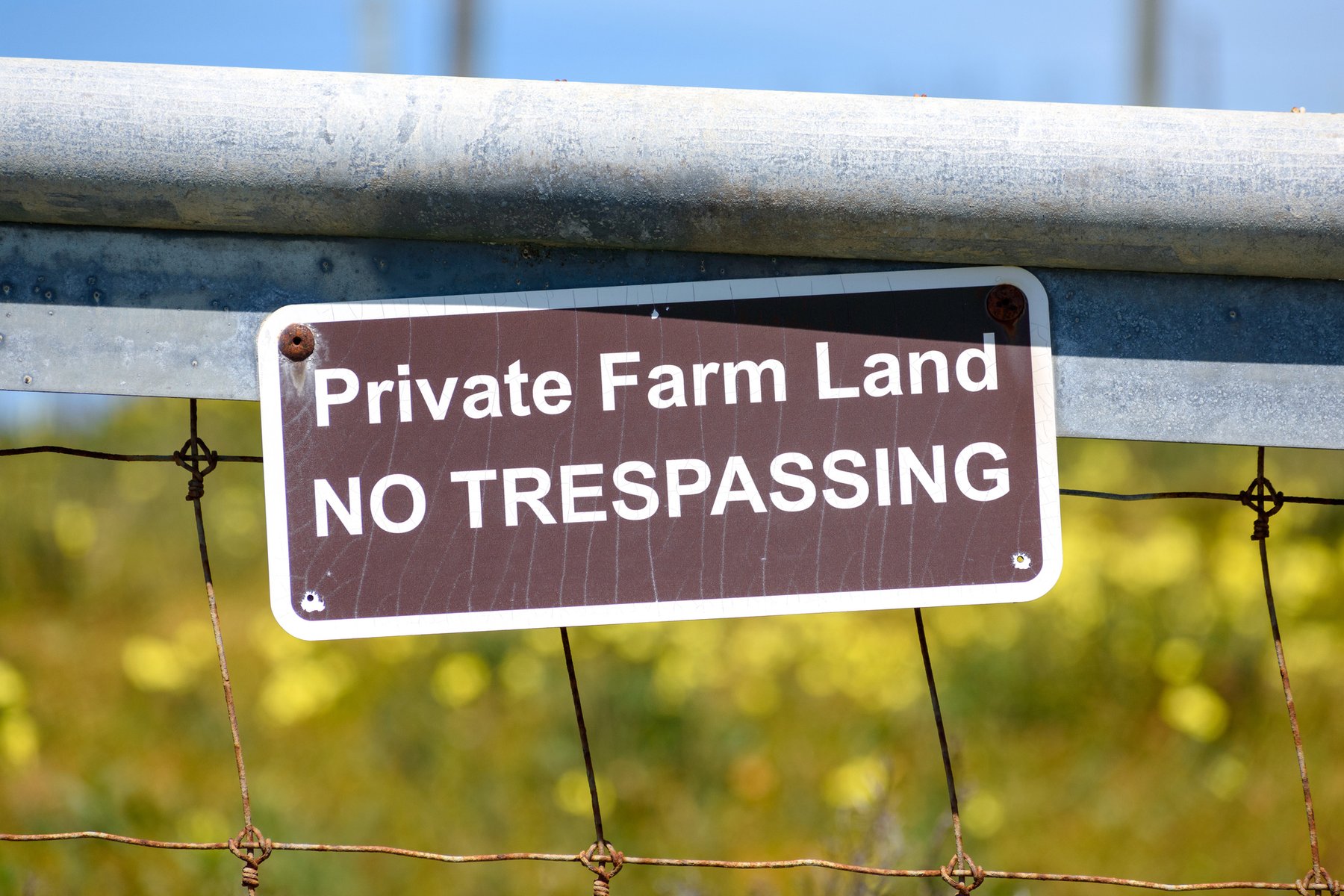
Credit: Michael Vi/iStock via Getty Images
A decision by the Crown Prosecution Service not to charge a Derbyshire farmer who shot a suspected burglar dead in his own home has been read closely by shooters in every discipline this summer. It is worth being clear about what the decision does, and what it leaves exactly where it was.
What did the Crown Prosecution Service decide?
Prosecutors confirmed there will be no criminal charges against Rob Lomas, a farmer in his 50s, over a night-time break-in at his farm on Eccles Road, Whaley Bridge, in the Peak District. Derbyshire Police were called at about 1.20am on 1 May 2024. Mr Lomas confronted intruders inside his home and fired a legally held firearm. Marcus Smith, 19, of Chapel-en-le-Frith, died of gunshot wounds and a second man was seriously injured. Mr Lomas was arrested on suspicion of murder and attempted murder, and remained on bail for more than two years before the decision came.
What did prosecutors say about reasonable force?
Janine McKinney, chief crown prosecutor for the Crown Prosecution Service East Midlands, said the decision was taken “in accordance with our statutory legal tests as prosecutors and the law surrounding the householder’s rights to defend themself”. The service said the law allows individuals to use reasonable force to defend themselves, other people and their property if threatened with violence. What is reasonable turns on the facts of each case, which is why prosecutors weighed all the evidence before reaching a view.
Does it change anything about holding a certificate?
No, and this is the point most often lost in the retelling. Self-defence is not a good reason to hold a firearm in Great Britain, and Home Office guidance is clear that personal protection does not justify the grant of a certificate. The shotgun certificate works the other way round, with the police having to show that an applicant has no good reason to possess one rather than the applicant proving that they have, but personal protection is no more acceptable an answer there. Nothing in this decision alters certificate conditions, security requirements or the grounds a chief officer may take into account.
Why does it matter to the show community?
Because the halls are full of certificate holders, and the questions visitors bring to them are practical: what may I do, what would happen to me if I did it, and how do I keep my guns and my yard secure. The security end of that answer is on the stands every year, from cabinets and safes to lighting, alarms and tracking, and rural crime is the reason those stands are busy. Exhibitors selling into farms and estates will recognise the setting exactly: an isolated property, a night-time break-in, and a police response measured in the time it takes to drive there. The case says the law recognises a householder’s right to defend themselves, and it says just as plainly that an arrest and a long investigation can follow any use of a firearm against a person.
What happens next?
Three men are due to face court proceedings over the burglary at the farm and an alleged burglary at the same property the previous night. Those cases are live and no further detail has been released. Rural crime is meanwhile climbing the political agenda: new powers under the Crime and Policing Act are now in force, and the Home Office told MPs on 13 July that its policing reforms are backed by more than £800,000 of funding for the specialist national rural and wildlife crime units. The full story of the decision is on ShootingUK and is the first link below.
Useful links
ShootingUK – the full telling of the Crown Prosecution Service decision and what it means for certificate holders
Crown Prosecution Service – the prosecuting authority whose decision ended the investigation
Farmers Weekly – the farming press report of the decision
Frequently asked questions
Can a legally held gun be used against an intruder in the UK?
The Crown Prosecution Service says the law allows individuals to use reasonable force to defend themselves, other people and their property if threatened with violence. What is reasonable turns on the facts of each case, which is why prosecutors weighed all the evidence before deciding to bring no charges here.
Can a certificate be granted for self-defence in Great Britain?
No. Personal protection is not accepted as a good reason to hold a firearm, and nothing in this decision changes that. The case turned on the general law of reasonable force, not on firearms licensing.
Was the farmer’s gun legally held?
Yes. The firearm fired during the break-in at the Whaley Bridge farm was legally held, which is why certificate holders across every discipline followed the case so closely.
Related articles
Farmer who shot burglar with legally held gun cleared – the full ShootingUK telling of the decision and the investigation behind it
Firearm and shotgun certificates fall to lowest levels in years – how many certificates are now in circulation, and the direction of travel
Firearms licensing delays revealed by Home Office data – where certificate processing stands ahead of the season